Report from General Council of the World Communion of Reformed Churches
Rainbow Pilgrims of Faith (RPF) for EF re engagement at WCRC Assembly Oct 2025
8 December 2025
(Jim Hodgson)
Rainbow Pilgrims take message of inclusion to Reformed Churches’ council
Even between assemblies of the World Council of Churches, members of Rainbow Pilgrims of Faith find ways to be present in gatherings of the global ecumenical movement.
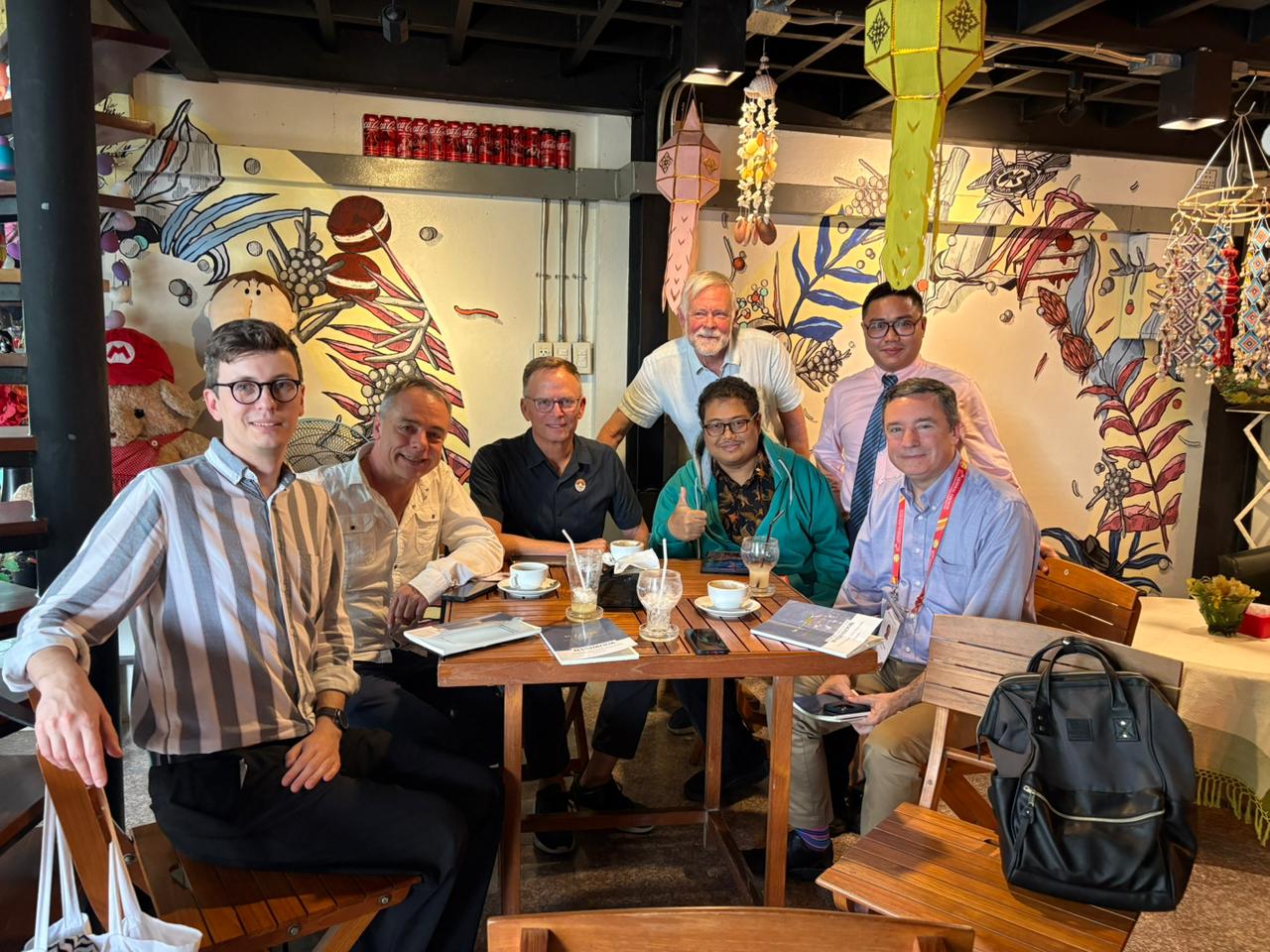
Seven RPF representatives pressed for greater inclusion of LGBTQIA+ people during the 27th General Council of the World Communion of Reformed Churches (WCRC) held in Chiang Mai, Thailand, in October. WCRC brings together 230 member churches representing 100 million Christians around the world.
For RPF, a key outcome was the decision by council delegates to “celebrate the joy of the diversity of God’s creation, including the life-giving gifts of human love and sexuality.” The Council added that it reaffirmed “our witness to Christ’s gospel of love and inclusion by committing ourselves to being hospitable and welcoming to everyone regardless of their sexuality or gender identity,” and it specifically referenced “the pain of exclusion in the life and leadership of the church.”
The Council said WCRC would continue “to engage in a process of study and consultation to enable members to deepen their understanding of the social and theological implications of sexual orientation and gender expression, discern how God is calling the Church to engage in prophetic witness on matters of sexuality and gender, and work towards building consensus for future public advocacy. Such consultations must include people of diverse sexualities and gender identities.”
For Rev. Michael Schuenemeyer, RPF co-ordinator and minister of the United Church of Christ, the statement was positive, but also said that “it fails to make the concerns of LGBTQIA+ inclusion and justice central to the theology and witness of the WCRC.”
“There is still much to do,” he added. Language addressing transphobia did not get included and while most decisions in the council were taken by consensus, the statements on human sexuality were decided by a vote – but with more than 80 per cent of delegates supporting adoption of the statements.
“Removal of language addressing transphobia was a setback. Future advocacy should ensure that commitments to justice explicitly include trans and non-binary people,” said Schuenemeyer.
One of the WCRC official workshops, called “Reimagining Masculinity,” provided space for discussion with sensitivity and openness.
Beyond the RPF representatives, the group created a Rainbow Pilgrims Community WhatsApp group that was joined by 43 people. This group quickly became a hub for information about the WCRC discernment process, as well as connecting socially. Members of that group gathered for social visits and explorations of Chiang Mai. They also organized a Rainbow Pilgrims Community meeting attended by 50 people to share stories of the “challenges and blessings they have experienced in their settings.”
RPF delegates had official observer status. They were:
· Rev. Mike Schuenemeyer, RPF Co-Coordinator and lead for the delegation.
· Rev. Dr. Alfred “Jerlo” Candid M. Jaropillo, Pastor in the United Church of Christ in the Philippines and lecturer in Gender Studies at West Visayas University.
· Jakub Neiwiadomski, lay preacher in the Reformed Church of Poland.
· Fransisco Yordanna Hadi, an ally from the Jakarta Theological Seminary, Indonesia.
RPF delegates worked closely with two other people who attended the assembly because of their roles in the Presbyterian Church USA: Luciano Kovacs and Doug Tilton, and also with Brian Ellison of the Covenant Network of Presbyterians, a PCUSA delegate.
RPF representatives made several recommendations, including:
· Plan a global ecumenical LGBTQIA event to strengthen visibility and solidarity.
· Expand RPF’s description to include collaboration with other ecumenical bodies.
· Continue creative collaborations with WCRC leadership
· Create storytelling opportunities to humanize issues and foster change.
· Engage PCUSA/WCRC representation at the UN on decriminalization advocacy.
· Identify allies in non-affirming denominations for strategic dialogue.
· Meet with heads of affirming communions to strategize collectively.
· Establish an LGBTQIA+ caucus within WCRC.
· Work to safeguard language on trans justice.
· Develop intersectional justice frameworks: many queer participants showed solidarity with other struggles (e.g., Palestine); WCRC could intentionally highlight intersectionality in its justice commitments, ensuring LGBTQIA+ concerns are woven into broader advocacy.
· Prepare LGBTQIA+ justice materials and theology in advance of ecumenical meetings.
· Ensure inclusive worship opportunities at future gatherings.
· Broaden exposure visits and workshops to include sexuality/gender identity themes